10 High-Protein Indian Breakfasts for Fat Loss in 2026
Most people focus on lunch and dinner when trying to lose weight. The real game-changer is breakfast. These 10 high-protein Indian breakfasts help control hunger, support fat loss, and make staying on track much easier.
Trying to lose weight but feeling hungry all the time?
Your breakfast might be the problem.
Many popular Indian breakfasts are heavy on carbohydrates but low in protein. They fill you up for an hour or two, then leave you searching for chai, biscuits, or snacks before lunch. That cycle makes fat loss much harder than it needs to be.
A high-protein Indian breakfast helps control hunger, supports muscle retention, and makes it easier to stay in a calorie deficit. In this guide, you'll discover 10 practical breakfast options that fit Indian eating habits and actually support fat loss.
Why Protein Matters
Most people don't struggle with fat loss because they lack motivation.
They struggle because they're hungry.
A breakfast built around refined carbs often causes energy crashes and cravings later in the day. That's why many people feel hungry again shortly after breakfast.
Protein helps you stay full for longer, making fat loss easier without feeling deprived.
Protein also plays an important role in maintaining muscle mass while losing weight. This matters because muscle helps support your metabolism and overall strength.
For women especially, increasing protein intake is one of the simplest nutrition upgrades you can make.
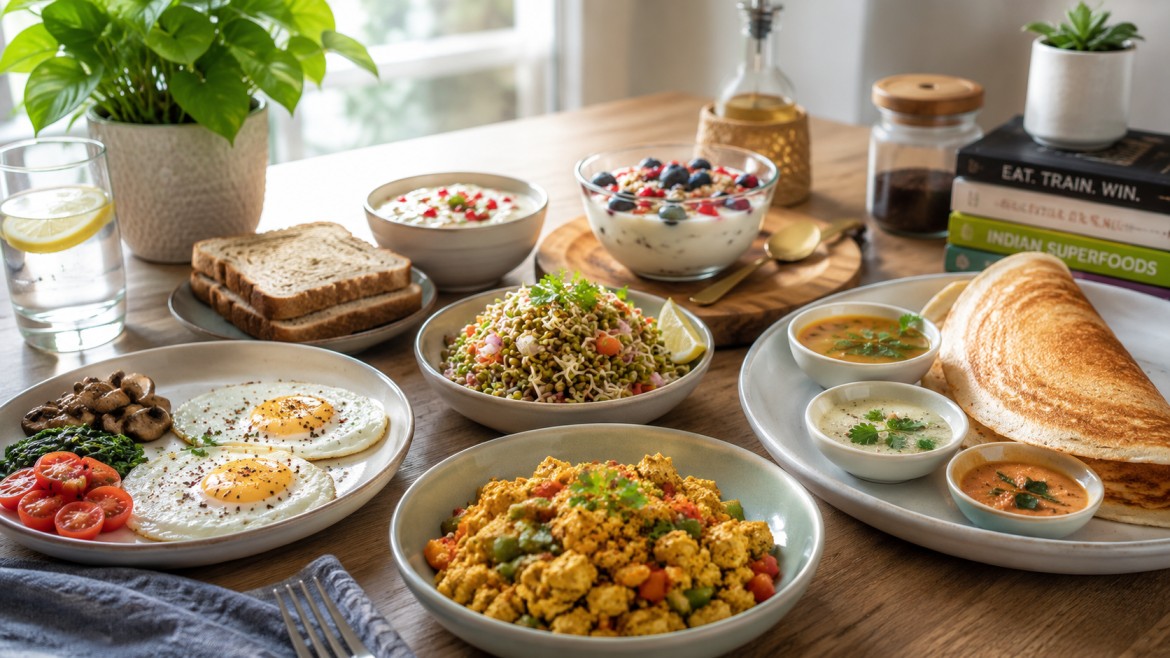
10 Breakfast Ideas
- Paneer Bhurji with vegetables and one roti
- Masala Omelette with whole wheat toast
- Moong Dal Chilla with paneer stuffing
- Greek Yogurt with fruit and nuts
- Egg Bhurji with sautéed vegetables
- Sprouts Chaat with boiled eggs
- Besan Chilla with curd
- Protein Oats Upma
- Tofu Scramble with vegetables
- Idli with sambar and extra dal
These breakfasts are not "diet foods."
They're normal Indian foods adjusted to include more protein. That's what makes them sustainable.
For example, instead of removing breakfast entirely, simply replace a low-protein meal with a higher-protein version. A plain dosa may not keep you full for long, but pairing it with protein-rich sambar can improve satiety.
Likewise, a standard vegetable sandwich can become far more filling when you add paneer, eggs, or Greek yogurt on the side.
Let's break them down.
- Paneer Bhurji
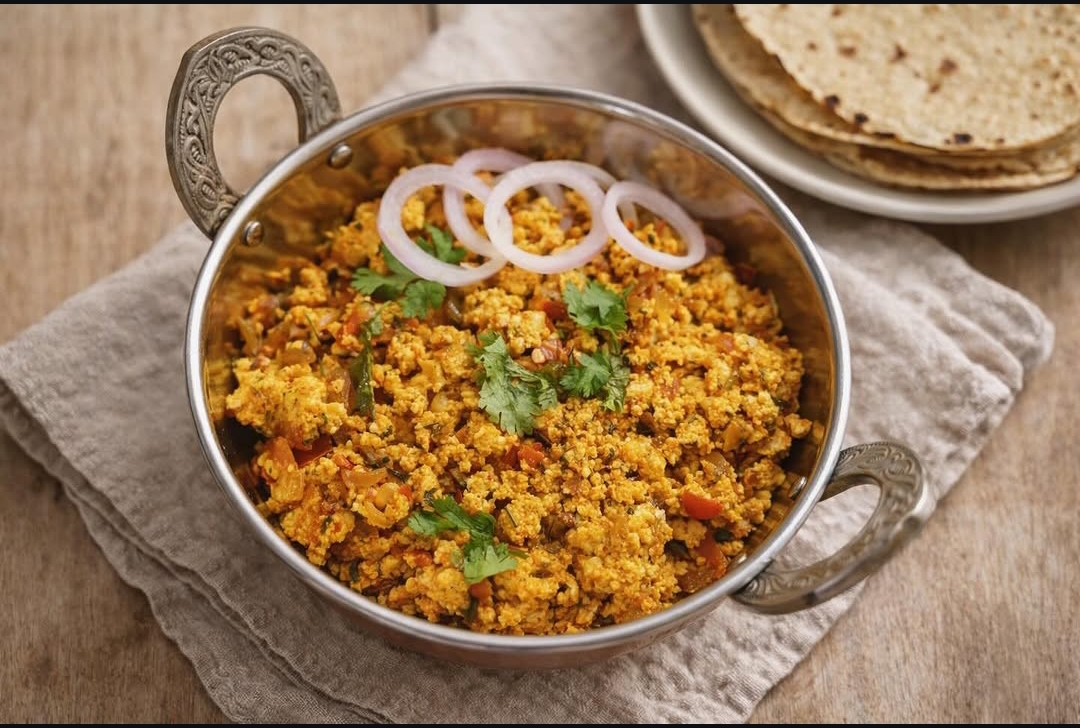
Approximate protein: 20–25g
Paneer is one of the easiest vegetarian protein sources available in India. Combined with onions, tomatoes, and capsicum, it creates a filling breakfast that supports fat loss.
- Masala Omelette
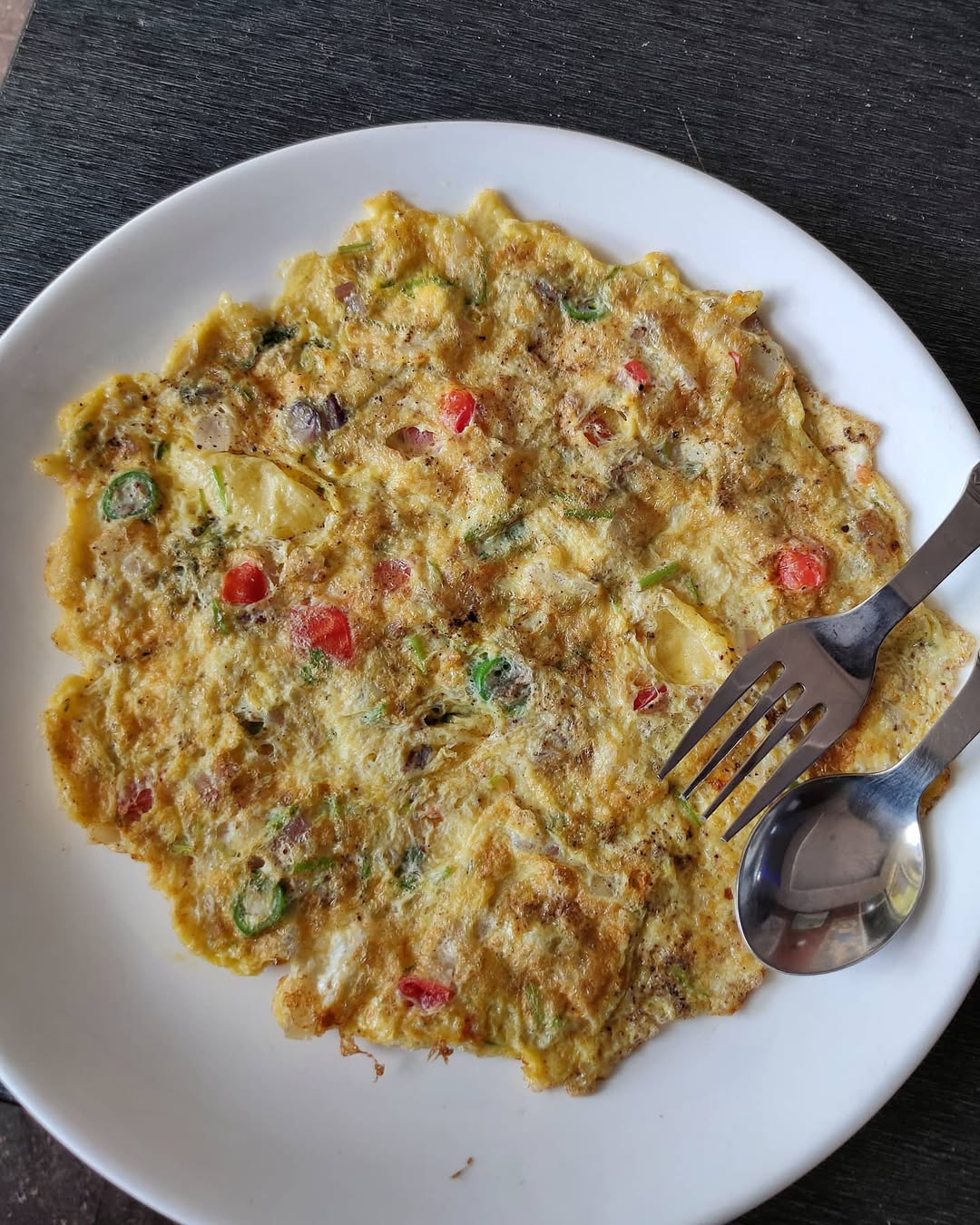
Approximate protein: 18–25g
Eggs remain one of the highest-quality protein sources. Add vegetables for extra volume and pair with whole wheat toast if needed.
- Moong Dal Chilla
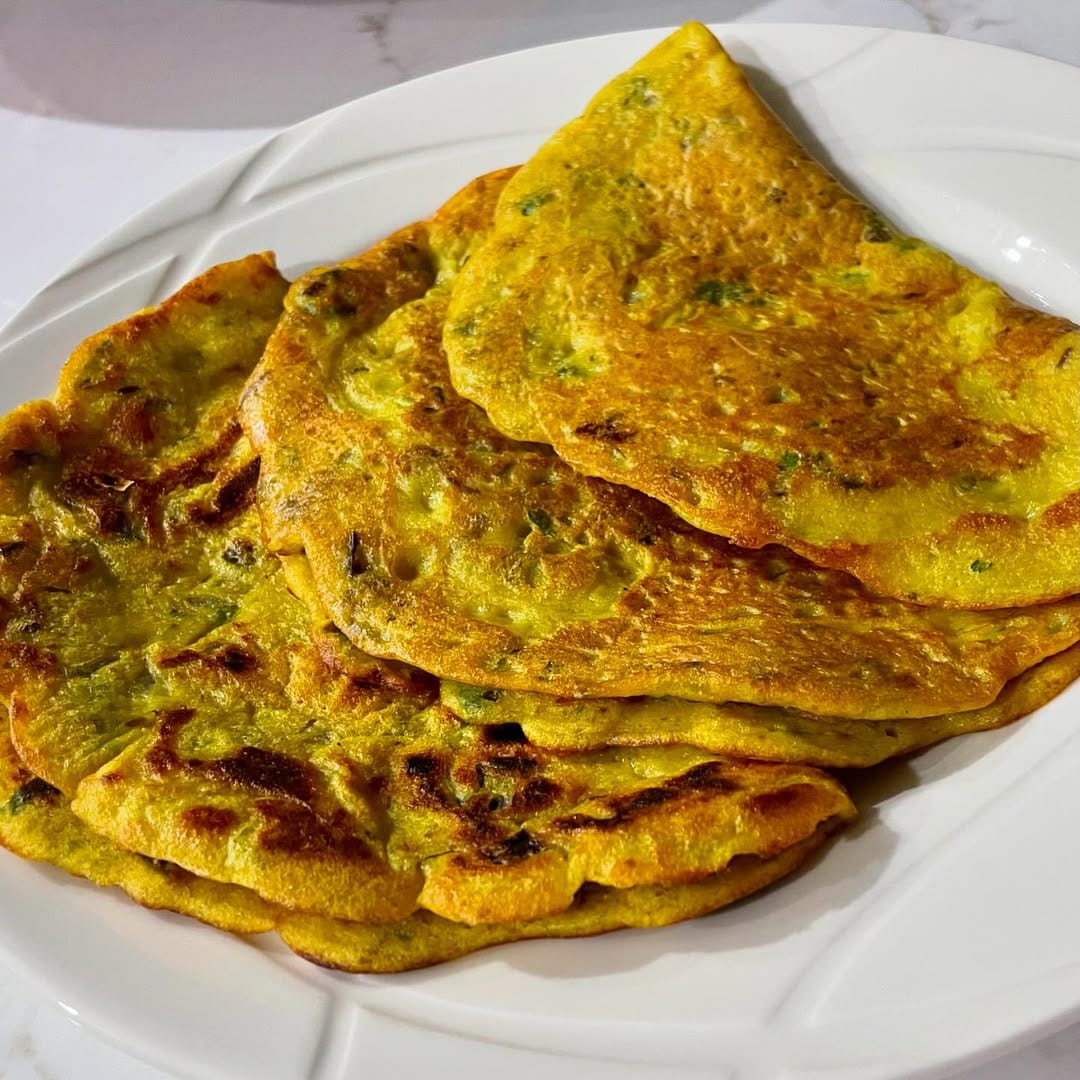
Approximate protein: 15–20g
A favourite among fitness coaches for a reason. Adding paneer stuffing increases the protein content significantly.
- Greek Yogurt Bowl
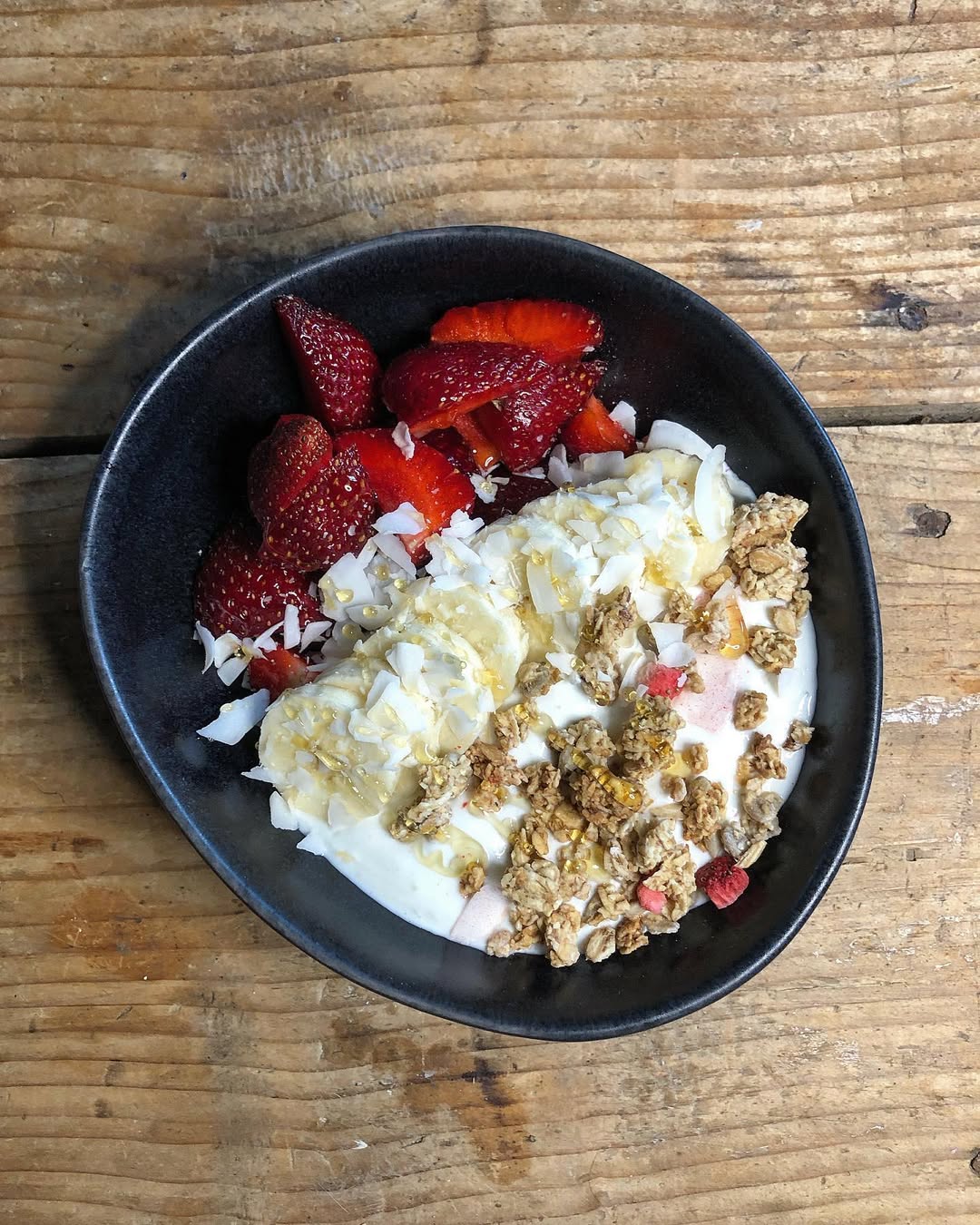
Approximate protein: 15–20g
Top with fruits, seeds, and nuts for a quick breakfast that requires almost no preparation.
- Egg Bhurji
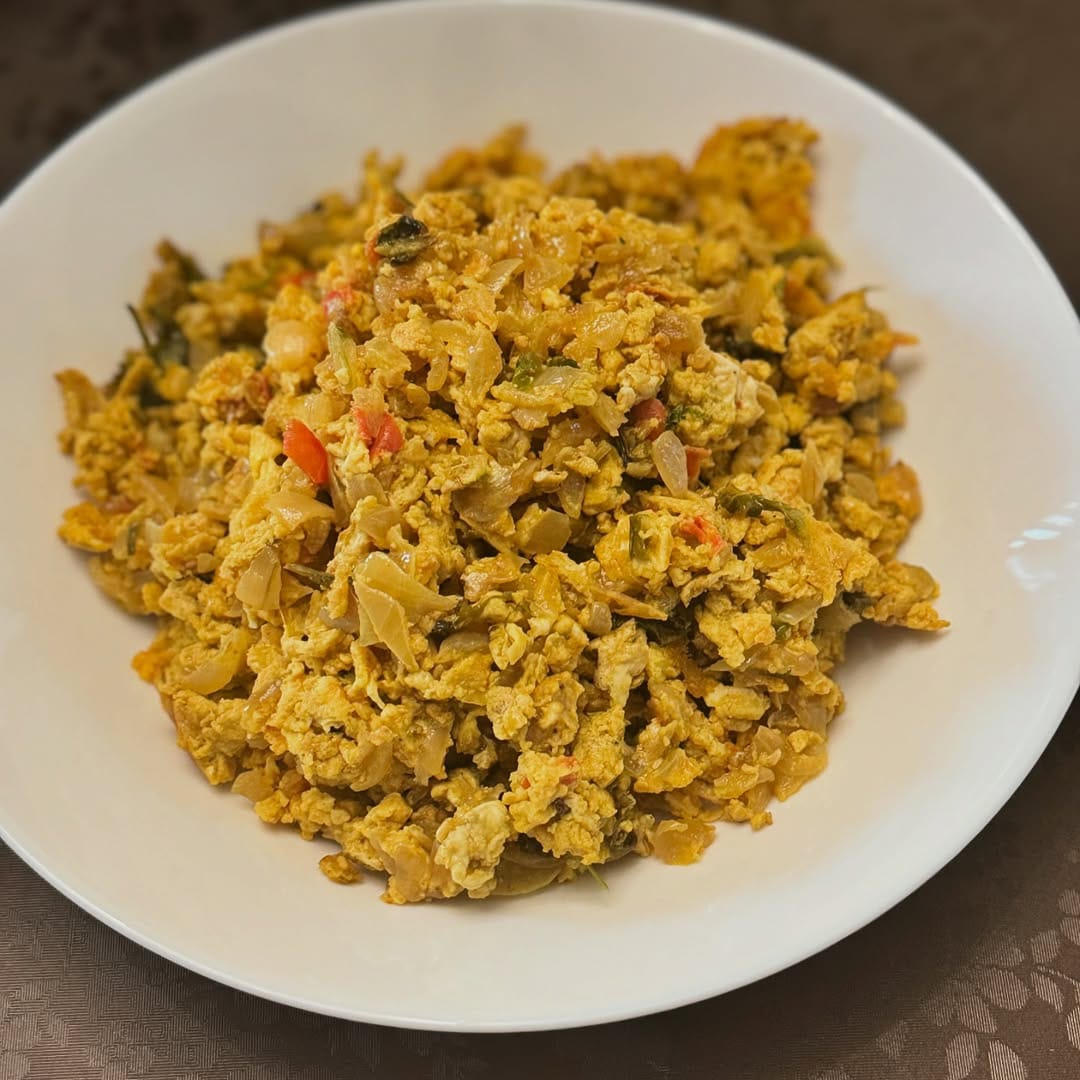
Approximate protein: 20–25g
Simple, affordable, and effective. Great for busy professionals who need something fast.
- Sprouts Chaat
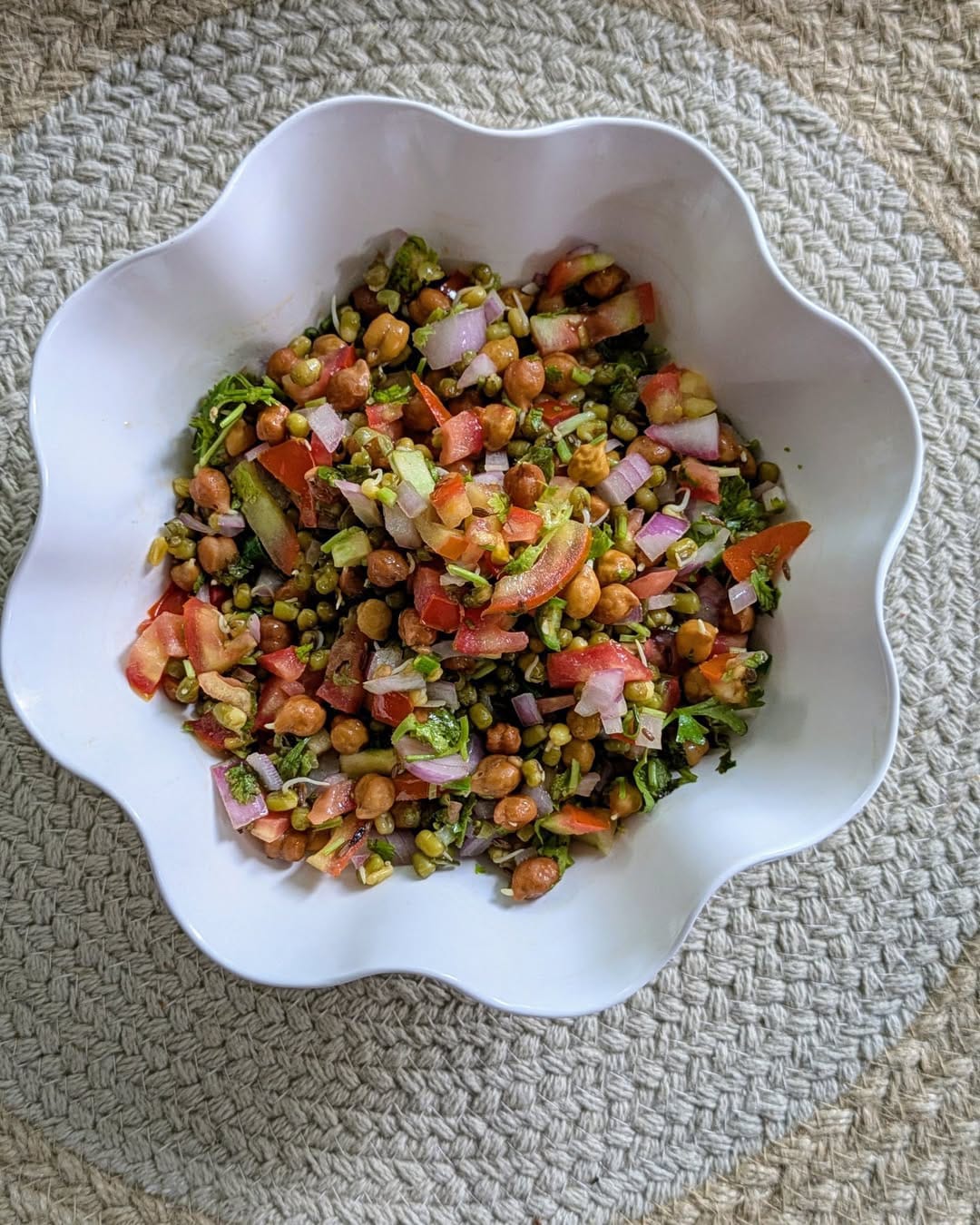
Approximate protein: 12–18g
Sprouts provide plant-based protein along with fibre, helping improve fullness.
- Besan Chilla
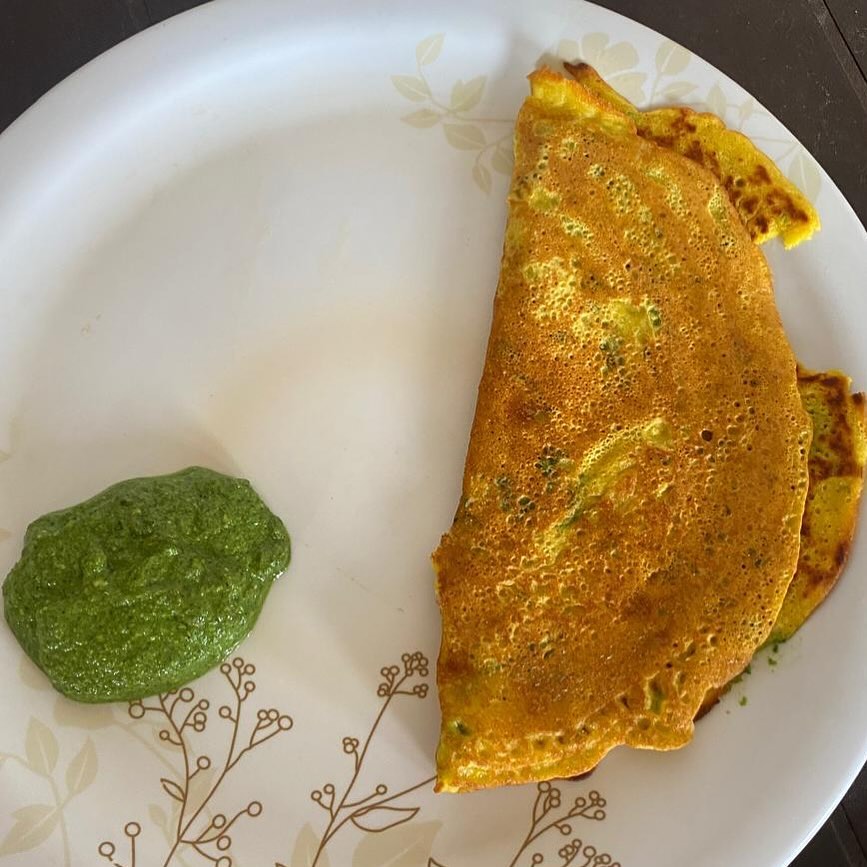
Approximate protein: 12–16g
Besan naturally contains protein and works well with curd or paneer on the side.
- Protein Oats Upma
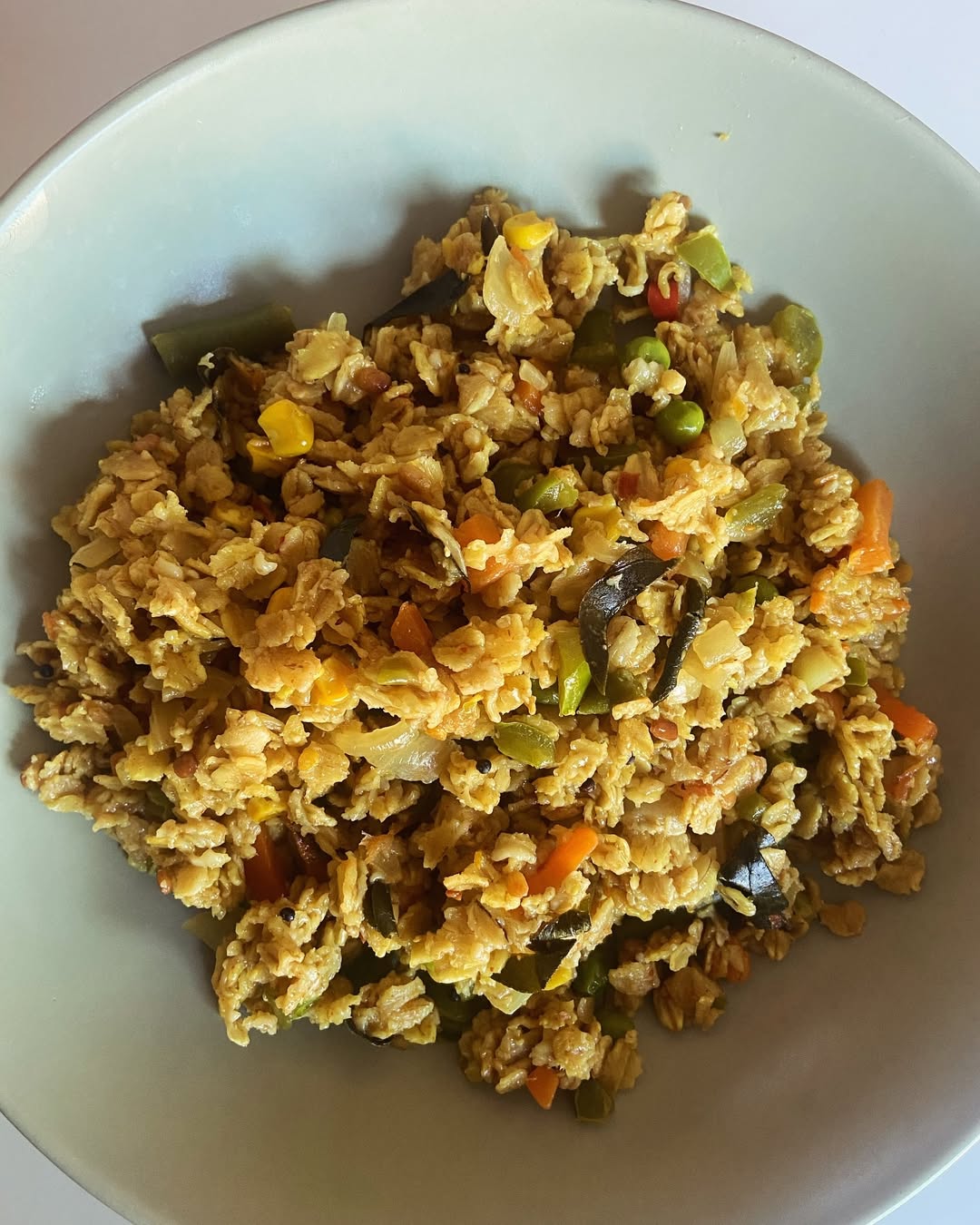
Approximate protein: 12–18g
Adding milk, soy chunks, or paneer boosts the protein content while keeping it familiar.
- Tofu Scramble
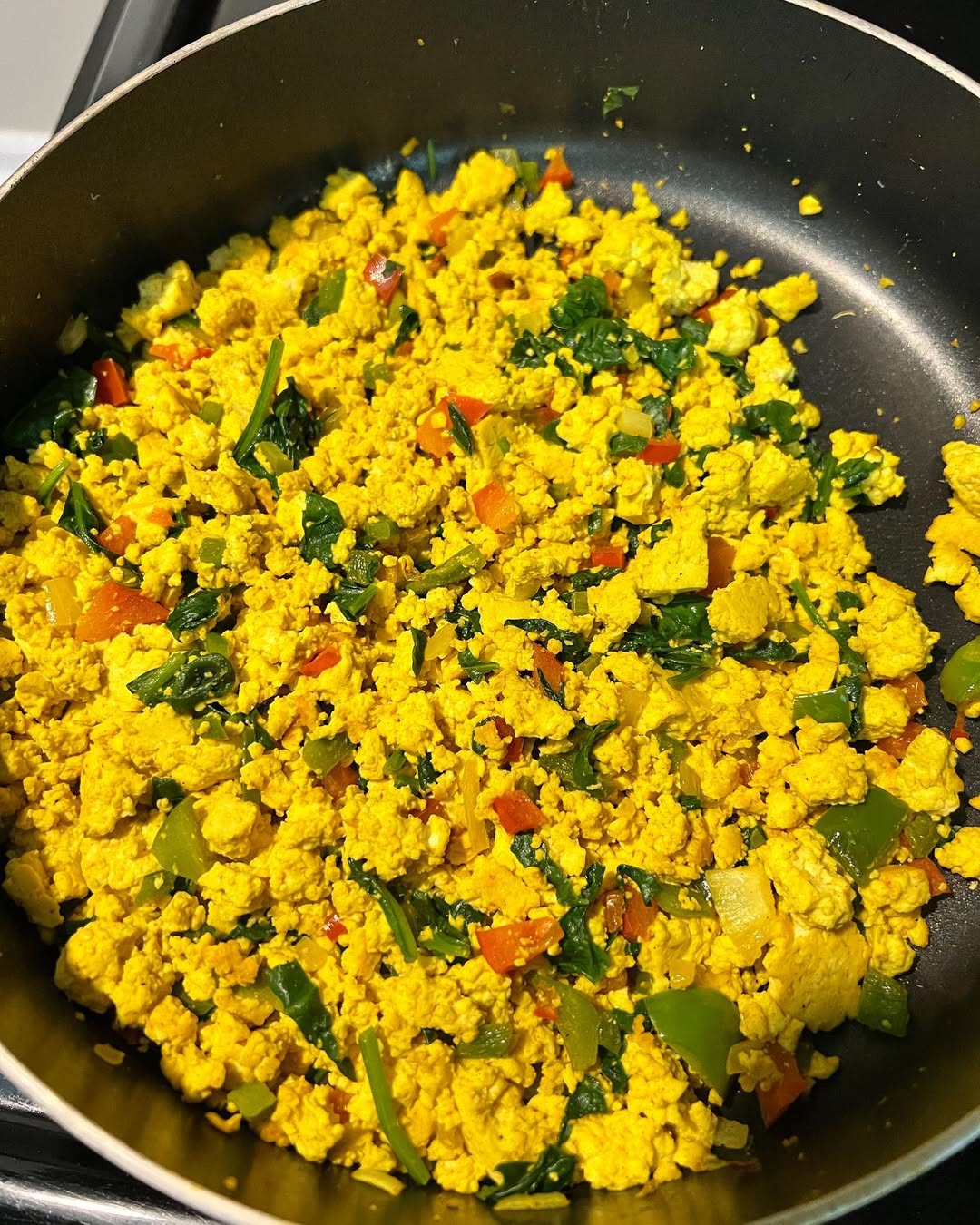
Approximate protein: 18–22g
A useful option for people who avoid dairy or eggs.
- Idli and Sambar
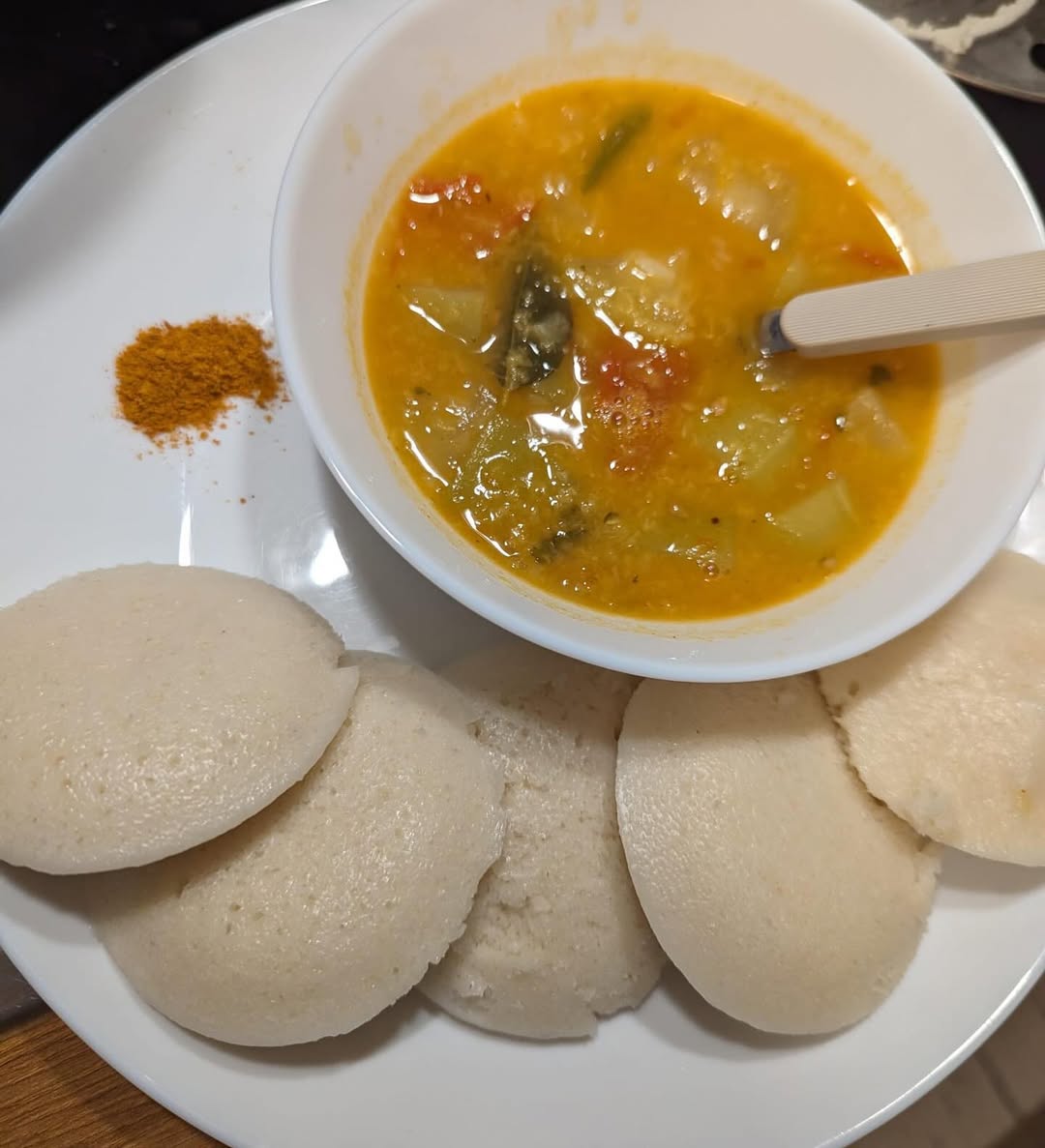
Approximate protein: 10–15g
The key here is increasing the sambar portion because the lentils contribute valuable protein.
A Real Client Example
Neha, 36, Mumbai, had tried multiple diets before joining our coaching program. Like many working professionals, her mornings were rushed.
Most days she started with tea and biscuits or a small breakfast that left her hungry by mid-morning.
Instead of overhauling her entire diet, we focused on breakfast first. She switched to higher-protein options such as paneer bhurji, eggs, Greek yogurt, and moong dal chilla.
Within a few weeks, she noticed fewer cravings and better appetite control. Over the following months, she dropped around 5–7 kg while maintaining her energy levels.
The biggest change wasn't the food itself. It was the consistency.
Making It Work Daily
- Choose 2–3 breakfasts you enjoy
- Prepare ingredients the night before
- Include protein at every breakfast
- Aim for consistency, not perfection
- Adjust portions based on your goals
Many people fail because they chase variety every day.
You don't need ten different breakfasts every week. In fact, repeating meals often makes healthy eating easier.
Meal prep can help too. Chopping vegetables, soaking dal, boiling eggs, or preparing paneer ahead of time reduces decision fatigue during busy mornings.
Budget matters as well.
Fortunately, some of the best protein sources in India are affordable. Eggs, milk, curd, dal, sprouts, and paneer can fit most household budgets far better than expensive supplements.
Supplements can be useful, but they should complement your diet rather than replace real food.
Common Breakfast Mistakes
- Starting the day with only chai and biscuits — add a protein source.
- Eating fruit alone for breakfast — pair it with curd, eggs, or paneer.
- Skipping breakfast and overeating later — eat a balanced morning meal.
- Choosing only carbohydrates — include protein in every breakfast.
- Relying entirely on protein shakes — prioritise whole foods first.
- Assuming healthy means low-calorie — focus on protein and satiety instead.
Many breakfast mistakes come from convenience.
The solution isn't perfection. It's making slightly better choices more often.
Signs It's Working
- Body weight trends downward over several weeks Waist measurement gradually decreases
- Mid-morning hunger reduces
- Energy score improves on a 1–10 scale
- Fewer cravings between meals
Notice that not all progress is visible on the weighing scale.
Reduced cravings and improved hunger control often appear before significant weight changes.
Those are signs you're moving in the right direction.
FAQ
How much protein should breakfast contain for fat loss?
A practical target is around 20–30 grams of protein per meal. Exact requirements vary based on body weight, activity levels, and overall diet.
Can vegetarians get enough protein at breakfast?
Yes. Paneer, Greek yogurt, curd, sprouts, tofu, besan, and dal-based recipes can provide substantial protein without meat or eggs.
Do I need protein powder for fat loss?
Not necessarily. Most people can improve protein intake significantly through regular foods. Protein powder is simply a convenient option when needed.
Your 30-Day Breakfast Upgrade
- Pick three high-protein breakfasts from this list.
- Eat one of them at least five days per week.
- Track your hunger levels before lunch.
- Measure your waist once weekly.
- Stay consistent for 30 days before making changes.
Fat loss doesn't require complicated meal plans or expensive superfoods. Sometimes the biggest results come from improving one meal.
A high-protein Indian breakfast can help reduce cravings, improve satiety, and make it easier to stick to your nutrition plan. That's a simple change with a big impact.
If you want this structured for you, with personalised nutrition guidance and a workout plan that fits your lifestyle, check out our program. You'll get expert support, practical meal strategies, and coaching designed to help you stay consistent for the long term.