High Protein Foods for Weight Loss (Veg and Non-Veg)
The right protein foods keep hunger down and muscle up while you lose fat. A full list you can actually shop for, veg and non-veg.
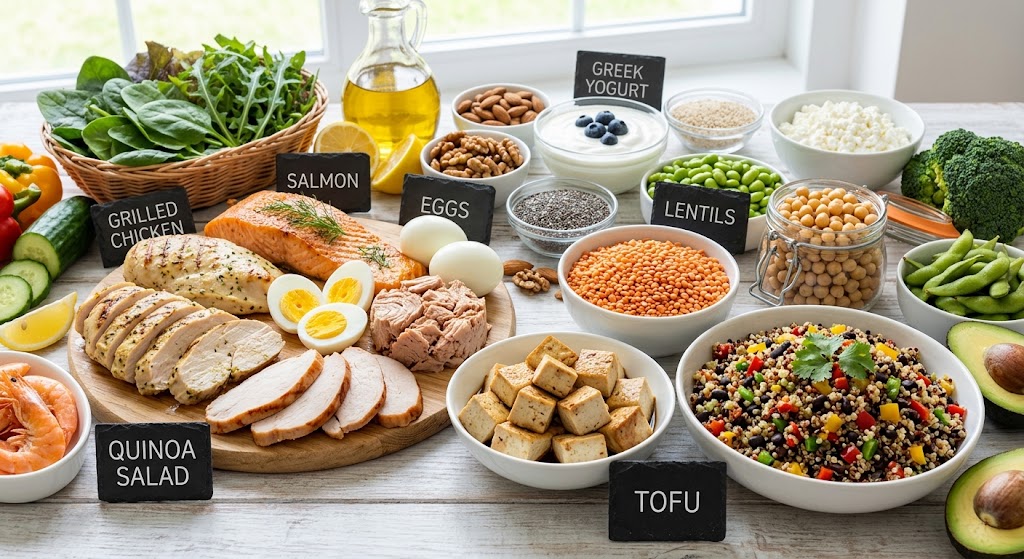
Protein is the one nutrient that consistently helps with weight loss, no matter which diet style you follow. It keeps you full longer than carbs or fat, it costs your body more energy to digest, and it protects the muscle you already have while you're in a calorie deficit. Most people fall short of what they need — not because good protein sources are unavailable, but because nobody hands them a usable list they can actually shop from and cook with every week.
Why protein matters more when you're losing weight
When you cut calories, your body doesn't only pull from fat stores — without enough protein and strength training, it will also break down muscle for energy. Losing muscle along with fat is what causes the "skinny fat" look many people end up with after a diet, where the scale number looks good but the body composition doesn't match. Eating enough protein is the single biggest lever for making sure the weight you lose is mostly fat, not muscle.
Protein also has the highest satiety value of the three macronutrients. Meals built around a solid protein source keep hunger controlled for longer, which makes staying in a calorie deficit far less miserable. This matters practically as much as it matters biologically — a diet that leaves you constantly hungry rarely lasts, no matter how well-designed it looks on paper.
There's also a digestion cost to protein that carbs and fat don't have to the same degree. Your body spends more energy breaking down and processing protein than it does processing the same number of calories from carbs or fat. It's a modest effect on its own, but combined with the satiety benefit, it adds up over weeks and months of consistent eating.
Non-vegetarian high protein foods
- Chicken breast — one of the leanest, highest protein options available, and versatile enough to cook a dozen different ways
- Eggs — whole eggs are fine for most people; egg whites for extra protein with minimal calories
- Fish (tilapia, salmon, mackerel, sardines) — also brings in beneficial omega-3 fats
- Greek yogurt — high protein per serving, works for breakfast or snacks
- Lean cuts of beef or lamb — protein-dense, good iron source too
- Prawns and shrimp — very lean, cooks fast, useful for quick meals
- Turkey mince — a leaner alternative to regular mince for anyone who eats it regularly
Vegetarian and plant-based high protein foods
- Lentils and beans (dal, chickpeas, kidney beans) — protein plus fiber, very filling
- Paneer and cottage cheese — dense protein source, works well in Indian and Western meals alike
- Tofu and tempeh — versatile, absorbs flavor well, good for anyone avoiding dairy
- Greek yogurt and skyr — same benefits as the non-veg list above
- Milk — simple, cheap, and easy to add to a meal plan
- Whey or plant protein powder — a convenient way to close the gap when whole food alone falls short
- Quinoa and edamame — smaller amounts of protein but useful additions to a meal
- Sprouted moong and chana — cheap, easy to prepare in bulk, and a good fiber source alongside the protein
You don't need exotic foods to hit your protein target — you need a plan that uses what's already in your kitchen.
How much protein do you actually need
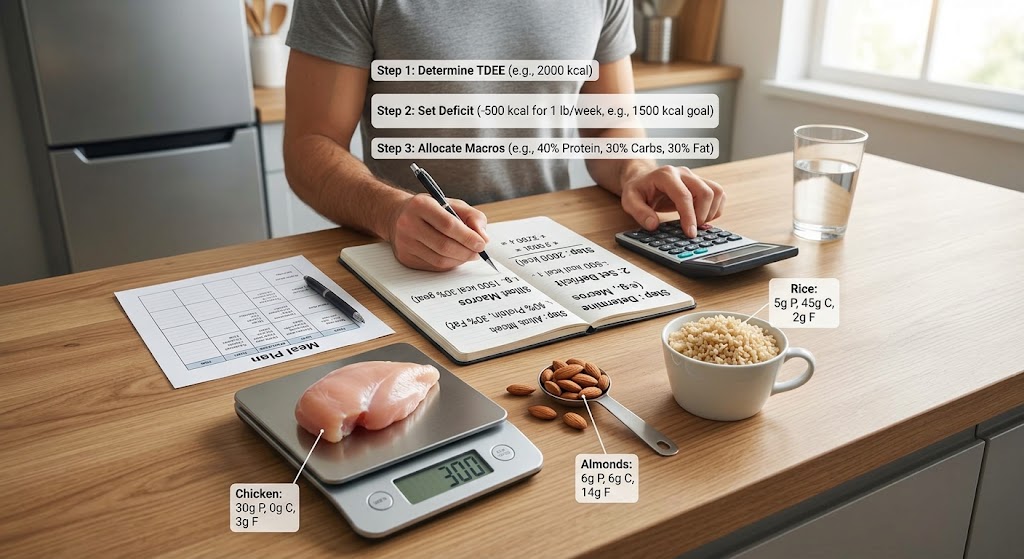
A practical target for most people trying to lose fat while keeping muscle is roughly 1.6-2.0 grams of protein per kilogram of body weight per day, spread across 3-4 meals rather than crammed into one. Spreading it out matters — your body can only use a limited amount of protein for muscle repair in a single sitting, generally somewhere around 25-40 grams depending on body size.
For someone weighing 65 kg, that works out to roughly 105-130 grams of protein a day. Spread across four meals, that's about 25-35 grams per meal — realistically achievable with one solid protein source per meal rather than requiring every single dish to be protein-heavy.
Building a day of meals around protein
Rather than treating protein as an extra item bolted onto a meal, plan the protein source first and build the rest of the plate around it. Breakfast might center on eggs or Greek yogurt, lunch around dal or chicken, a snack around paneer or a protein shake, and dinner around fish, tofu, or lean meat. This "protein-first" approach to meal planning is simpler in practice than tracking every gram, because it naturally pushes your total intake toward the target without constant math.
Batch cooking helps enormously here. Cooking a large batch of dal, grilled chicken, or boiled eggs at the start of the week means protein is always ready to add to whatever else you're eating, which removes the single biggest reason people fall short — not having a ready protein source when hunger hits.
Cooking methods that keep protein foods enjoyable
A high protein diet fails most often not because people don't know what to eat, but because they get bored of eating the same boiled chicken and plain dal on repeat. Varying preparation matters as much as varying the food itself. Chicken can be grilled, baked in a marinade, stir-fried with vegetables, or shredded into a wrap. Dal can be tempered differently — with cumin and garlic one day, with tomato and ginger the next. Paneer works in a curry, grilled with spices, or crumbled into a salad. Eggs can be boiled, made into a masala omelette, or scrambled with vegetables.
Treating protein sources as a base ingredient rather than a fixed dish opens up enough variety that a high protein diet doesn't start to feel restrictive by week three. This single mindset shift — protein as a flexible base rather than a rigid meal — is often what separates people who sustain a high protein diet for months from people who abandon it after a couple of weeks of repetitive meals.
Common mistakes
- Eating protein only at dinner — fix: spread it across every meal, including breakfast
- Relying on protein powder as the only source — fix: use whole foods first, powder to fill gaps
- Assuming all "protein snacks" on the market are actually high protein — fix: check the label, many are mostly carbs and marketing
- Undercooking or overcooking protein sources out of habit rather than taste — fix: learn 2-3 simple, reliable cooking methods for your main protein sources
- Ignoring protein while focused only on cutting carbs or fat — fix: protein should be the first thing you plan a meal around, not an afterthought
- Not prepping in advance and reaching for convenient low-protein food instead — fix: batch cook 2-3 protein sources every week
How to know it's working
- Hunger between meals is noticeably more manageable
- Strength in the gym holds steady while body weight drops
- Muscle definition improves as fat comes off, rather than looking flat and soft
- Recovery after workouts feels faster
- Cravings for snacking between meals reduce
Budget-friendly protein doesn't mean expensive
A common myth is that eating enough protein requires an expensive diet full of imported supplements and specialty foods. In practice, some of the cheapest foods available — eggs, dal, milk, and seasonal legumes — are also among the most protein-dense per rupee spent. Chicken and paneer cost more than lentils but still remain far cheaper than most packaged "high protein" snacks sold with premium branding. Building a diet around a rotation of 4-5 affordable staples, rather than chasing whatever a new product claims to offer, keeps a high protein diet sustainable on almost any budget.
FAQ
Is too much protein bad for the kidneys? For people with healthy kidneys, higher protein intake within normal dietary ranges is well tolerated. It becomes a concern mainly for people with existing kidney disease, who should follow their doctor's specific guidance.
Can vegetarians get enough protein without supplements? Yes, with planning. Lentils, paneer, tofu, yogurt, and milk combined across meals can comfortably meet most people's targets, though a protein supplement can make it easier on busy days, especially for anyone training regularly.
Do I need protein immediately after a workout? Total daily protein intake matters far more than exact timing. Getting enough protein spread across the day covers you — there's no strict "anabolic window" you need to rush to hit, so a meal an hour or two after training works just as well as one immediately after.
Are plant proteins as effective as animal proteins? Yes, when total daily intake and variety are accounted for. Animal proteins are complete on their own; plant proteins can be combined across the day — like rice with dal, or a mix of legumes and grains — to cover the same range of amino acids the body needs.
Putting it together
- Pick 2-3 protein sources you actually enjoy from each list above
- Build every meal around that protein source first, then add carbs and vegetables
- Spread protein across 3-4 meals instead of one large serving
- Batch cook your main protein sources once or twice a week
- Use a supplement only to fill genuine gaps, not replace whole food
Getting protein right does more for weight loss and how your body looks than almost any other single change. If you want a meal plan built around your exact protein target, with recipes that fit your diet preference, check our 12-week program.