How to Break a Weight Loss Plateau: The Science-Backed Fix
Weeks of no movement on the scale doesn't mean your body broke — it means your deficit disappeared. Here's how to recalculate and break a stall without crash dieting.

The scale hasn't moved in three weeks, you're still eating the same way that worked before, and it feels like your body has simply stopped responding. A weight loss plateau isn't a sign that dieting has stopped working — it's usually a sign your body has adapted to a plan that hasn't changed in a while, and it happens to almost everyone who loses weight successfully. If it's happening to you, it usually means the earlier part of your plan actually worked — plateaus are a milestone of progress, not a sign of failure.
Why Plateaus Happen to Almost Everyone
As you lose weight, your body needs fewer calories to maintain itself — a lighter body burns less energy at rest and during activity than a heavier one did. A calorie deficit that worked at your starting weight can quietly shrink to almost nothing as you get lighter, even though your eating hasn't changed.
A plateau usually means your deficit has disappeared, not that your body has broken. The fix is recalculating your needs at your current weight, not abandoning the approach that got you this far.
There's also a distinction worth understanding between a true plateau and normal weight fluctuation. Daily weight swings of 1-2 kg from water, sodium, sleep, and hormonal cycles are completely normal and don't mean anything on their own. A real plateau is when your weekly average — not a single day's number — stays flat for several weeks in a row despite consistent effort.
The Real Causes Behind a Stall
- Your maintenance calories have dropped as you've lost weight, shrinking your deficit without you changing anything.
- Portion sizes have quietly crept up over weeks — 'eyeballing it' drifts upward faster than most people notice.
- Water retention from stress, poor sleep, or a higher-sodium meal is masking real fat loss on the scale.
- Activity level has dropped — a busier schedule or less daily movement lowers total burn without you registering it.
- The deficit has been too aggressive for too long, triggering hormonal and metabolic adaptations that slow fat loss to protect the body.
How to Break It Without Starving Yourself
The instinct is to cut calories further, but that often makes things worse — deeper deficits increase muscle loss risk and hunger while barely accelerating fat loss. A smarter reset works better than a harsher one.
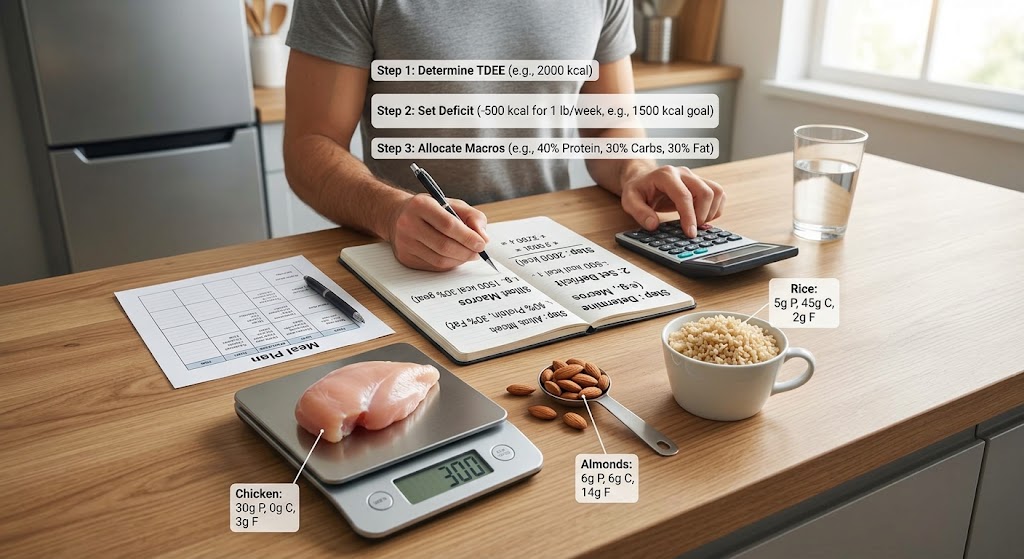
- Recalculate your calorie target at your current weight rather than your starting weight
- Track food intake accurately for 1-2 weeks — most "eating the same" turns out to have drifted
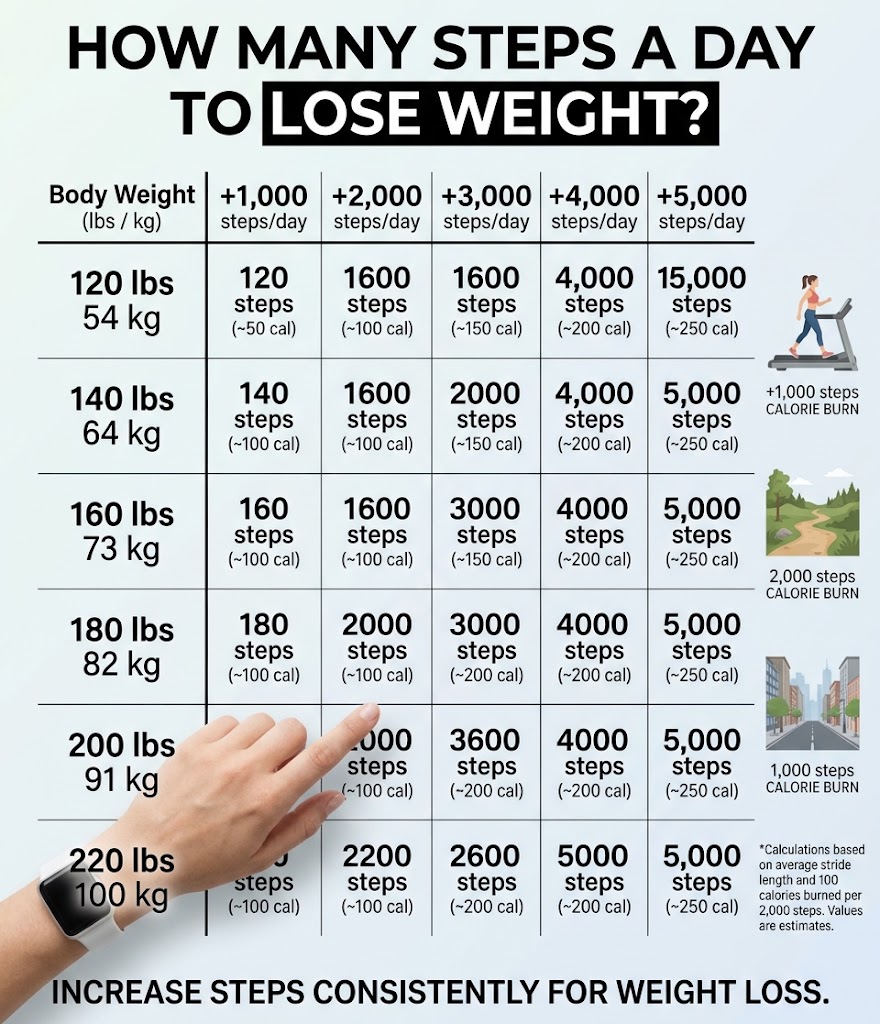
- Add 2,000-3,000 extra daily steps if activity has quietly declined
- Prioritise protein and strength training to protect muscle while in a deficit
- Take body measurements and progress photos, not just scale weight, over a 2-week window
It's worth resisting the urge to change everything at once. Adjust one variable — usually calories or steps — and give it a full two weeks before deciding whether it worked. Changing diet, cardio, and training simultaneously makes it impossible to know which change actually broke the stall, which matters the next time a plateau happens.
The Role of Stress and Sleep in a Stall
Chronic stress and poor sleep raise cortisol, which can increase water retention and hunger independently of anything you're eating. Someone doing everything right on paper can still stall if they're sleeping five hours a night and running on constant deadline stress — the body treats that as a signal to hold onto weight, not release it.
This doesn't mean stress makes fat loss impossible, but it does mean two people eating identical diets can see different results if one is sleeping well and managing stress and the other isn't. Fixing sleep and stress is sometimes the actual unlock when the food and training log both look correct and the scale still won't move.
Case Study: A Six-Week Stall, Broken in Three
A dieter who'd lost a meaningful amount of weight over several months hit a wall — six weeks with no scale movement despite feeling like nothing had changed in their routine. A two-week food log revealed portions had drifted up by roughly 15-20%, mostly from larger servings at dinner that had crept in gradually.
Tightening portions back to measured amounts and adding a daily walking target broke the stall within three weeks, without any drastic new diet. The lesson: a plateau is rarely mysterious once you actually measure what's happening instead of assuming.
A plateau isn't your body refusing to change. It's your body asking for updated numbers.

When to Involve a Doctor Instead of Just Adjusting the Plan
Most plateaus resolve through the food and activity adjustments above, but a small number are driven by underlying issues — undiagnosed thyroid problems, certain medications, or hormonal conditions — that diet and exercise alone can't fully overcome. If a genuine stall persists for 8+ weeks despite verified accurate tracking, consistent training, and adequate sleep, it's a reasonable point to get bloodwork done rather than continuing to tighten an already-accurate plan.
When a Diet Break Is the Better Move
- If you've been in a deficit for 3+ months without a break, consider 1-2 weeks at maintenance calories
- A structured break can reset hunger hormones and improve adherence for the next phase
- Use the break to establish new habits — consistent protein, regular training — rather than a free-for-all
- Resume the deficit at your new, lower maintenance number, not the old one
A diet break isn't giving up — it's a planned pause that keeps the overall process sustainable for months rather than weeks. Many people who abandon a diet entirely after a long stall would have kept going if they'd simply taken a deliberate week or two at maintenance instead of quitting outright.
Tools That Make Recalculation Easier
A basic food-tracking app removes most of the guesswork that causes plateaus in the first place — it turns "I think I'm eating about the same" into an actual number you can compare week to week. Pairing that with a simple weekly average weight (rather than obsessing over the daily number) and a monthly waist measurement gives a far more accurate picture of progress than the scale alone ever could, and makes the next plateau much faster to diagnose.
Common Mistakes
- Cutting calories drastically the moment the scale stalls. Fix: recalculate gradually and give it 2-3 weeks before judging results.
- Judging progress by the scale alone. Fix: track waist, measurements, and photos alongside weight.
- Adding excessive cardio instead of fixing the diet gap. Fix: check food tracking accuracy first.
- Panicking after a one-week stall. Fix: weight fluctuates daily — judge trends over 2-3 weeks, not days.
- Skipping strength training during a plateau. Fix: keep lifting to protect muscle while calories are adjusted.
How to Know It's Working Again
- Weekly average weight trending down again over a 2-3 week window
- Waist and other measurements shrinking even on weeks the scale is flat
- Energy and gym performance staying stable, not crashing
- Hunger feeling manageable rather than constant, signalling the deficit isn't too aggressive
It's worth celebrating a broken plateau as a genuine milestone, not just a return to normal — successfully diagnosing and fixing a stall is a skill that will serve every future plateau you hit, and there will be more of them the closer you get to your goal weight.
FAQ
How long should I wait before calling it a real plateau?
Give it at least 2-3 weeks of a true stall in your weekly average weight before making changes — daily fluctuations are normal and don't count as a plateau on their own.
Should I do more cardio to break a plateau?
Only after checking your food intake is accurate. Most plateaus are a calorie-tracking problem hiding as a metabolism problem, and more cardio without fixing that usually just adds fatigue.
Is it normal to plateau more than once during a diet?
Yes — plateaus typically happen every 4-8 weeks as your body adapts to a lighter weight. Recalculating your numbers periodically is a normal part of the process, not a sign something's wrong.
Could a plateau mean I've reached my body's natural set point?
It's possible, but far less common than people assume — most plateaus resolve with an accurate recalculation of calories and activity. If a genuine stall persists for 6+ weeks despite verified tracking and consistent training, that's a reasonable point to reassess your goal weight or get a professional review of your plan.
Your 3-Week Reset Plan
- Week 1: recalculate calories at your current weight and track food with real accuracy.
- Week 2: add a daily step target and keep strength training sessions consistent.
- Week 3: review weekly average weight and waist measurement, not single days, to confirm the stall has broken.
The people who break plateaus fastest aren't the ones with the most willpower — they're the ones who treat a stall as a puzzle to solve rather than a verdict on their effort. Recalculate, verify, adjust one thing, and give it time. It works almost every time.
A plateau is a math problem, not a willpower failure — your body just needs its numbers updated. If you'd rather have someone recalculate and adjust this for you as you go, check our 12-week program.