The Truth About Belly Fat After Pregnancy: What Actually Works
Still struggling with belly fat months after pregnancy? The problem is rarely a lack of effort. Learn what actually affects postpartum weight loss and the realistic steps that help reduce belly fat without extreme diets.
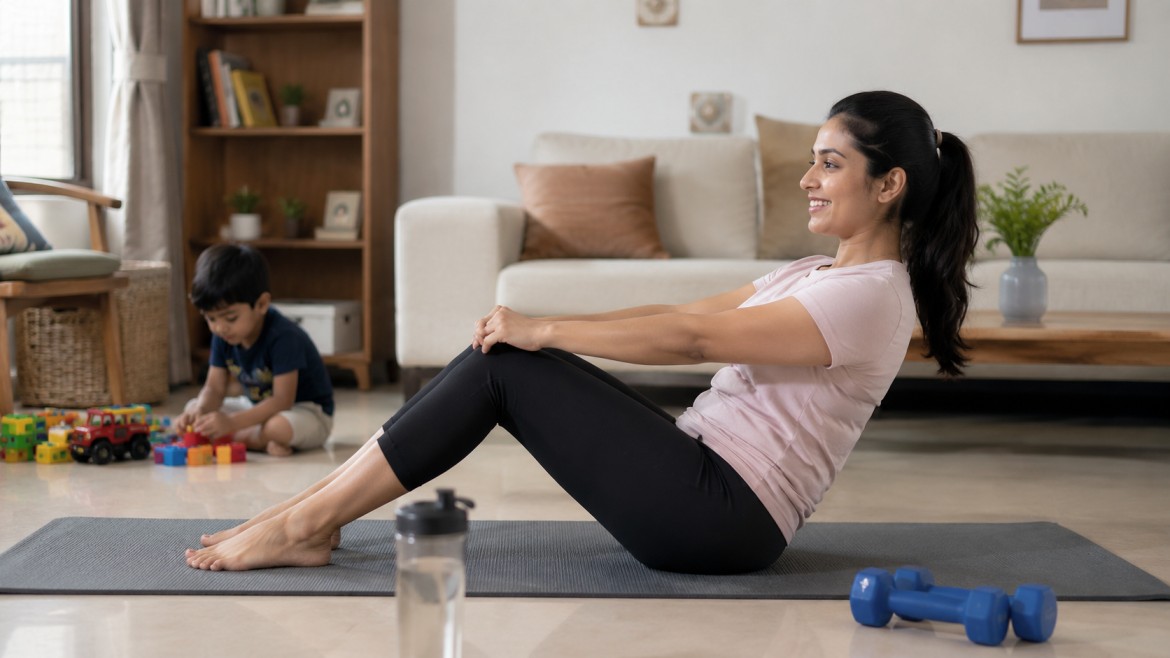
Most women expect their belly to shrink naturally after pregnancy. But months later, many are still dealing with a soft midsection, stubborn weight gain, and clothes that don't fit the way they used to. Add sleep deprivation, family responsibilities, and conflicting advice from social media, and it's easy to feel stuck.
The truth is that postpartum belly fat is more complicated than simply eating less or exercising more. Your body has gone through major physical changes. Understanding those changes is often the missing piece. In this guide, you'll learn why belly fat can linger after pregnancy and what actually helps reduce it safely and sustainably.
Why It Sticks Around
Pregnancy changes more than your body weight.
Your abdominal muscles stretch to make room for your growing baby. Hormones shift dramatically. Sleep often becomes unpredictable. Daily activity levels may drop. All of these factors influence how quickly your body recovers.
Many women also underestimate how much recovery matters. The goal isn't to "bounce back." The goal is to rebuild strength, improve energy levels, and create habits that support long-term fat loss.
Postpartum belly fat is usually a recovery and consistency problem, not a willpower problem.
Another important point: spot reduction doesn't work. Hundreds of crunches won't magically burn fat from your stomach. Your body loses fat overall, not from one specific area.
What Actually Helps
- Prioritise protein at every meal
- Walk consistently throughout the week
- Sleep whenever possible
- Start strength training before intense cardio
- Track progress beyond the weighing scale
- Stay patient with the process
The first step is nutrition. Many new mothers either eat too little or rely heavily on convenience foods because they're short on time. Neither approach helps much.
Focus on adding protein instead of obsessing over restrictions. Eggs, paneer, Greek yogurt, dal, chicken, fish, tofu, and milk can help support recovery while keeping you fuller for longer. A protein-rich breakfast often reduces cravings later in the day.
Next comes movement. You don't need exhausting workouts. Start by walking consistently. A daily walk improves activity levels without adding excessive stress to your body. For many women, this is easier to maintain than high-intensity exercise.
Core training matters too, but not in the way Instagram often suggests. Instead of chasing ab workouts, focus on rebuilding core stability. This is especially important if you've experienced abdominal separation after pregnancy.
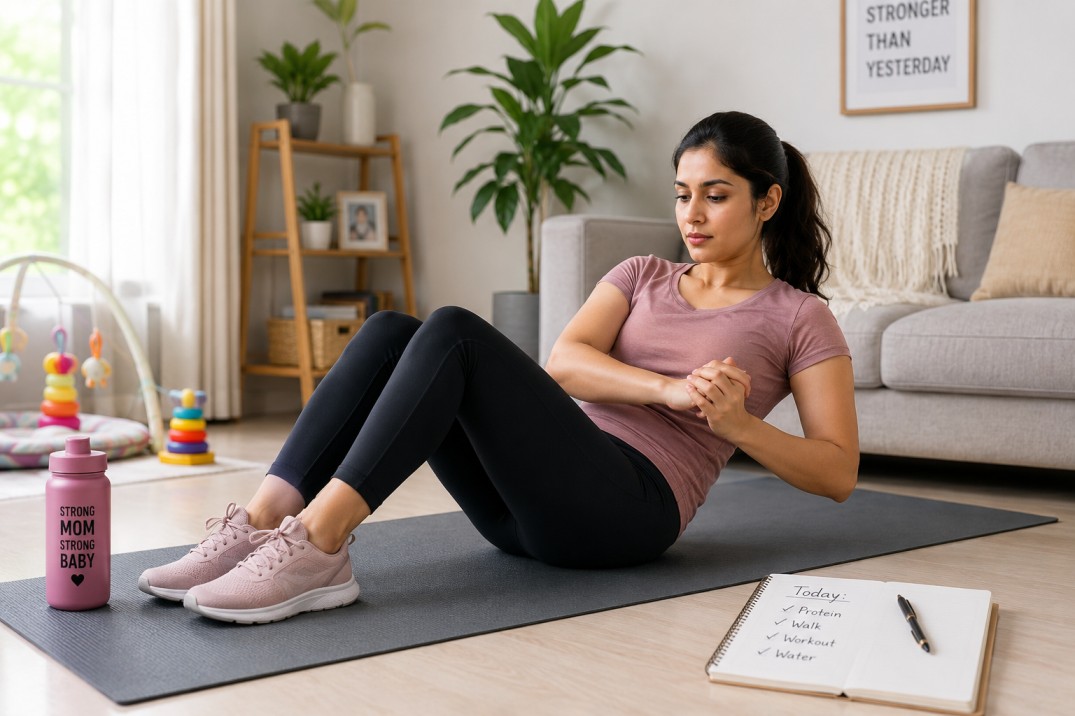
Strength training is another powerful tool. Simple movements like squats, glute bridges, rows, and presses help build muscle and increase overall calorie expenditure. More muscle generally means your body becomes more efficient over time.
A Real Client Example
Priya, 32, Bangalore, came to us around eight months after delivery. She felt frustrated because she was exercising regularly but saw very little change around her stomach.
Like many women, she believed she needed harder workouts. In reality, her biggest challenges were inconsistent meals, low protein intake, and poor recovery. Her workouts weren't the problem.
Instead of adding more exercise, we focused on three simple changes. She increased protein at each meal, walked more consistently, and followed a beginner-friendly strength training plan three times per week.
Over several months, she dropped around 6–8 kg, improved her strength significantly, and reduced her waist measurements. More importantly, she built habits she could maintain alongside motherhood.
Building Your Foundation
- Weeks 1–2: Focus on walking and protein intake
- Weeks 3–4: Add beginner strength training
- Weeks 5–8: Increase workout intensity gradually
- Weeks 9–12: Progress weights and maintain nutrition Beyond
- 12 weeks: Focus on long-term consistency
Most women try to do everything at once. That's usually where things fall apart.
Start with one or two habits. Walking and protein intake are excellent foundations because they provide a high return with relatively little effort.
Once those habits become routine, introduce structured strength training. This helps rebuild muscle, improve posture, and support fat loss. It also makes everyday tasks feel easier, whether you're carrying groceries or lifting your child.
Remember that progress isn't always linear. Festival season, family events, travel, and busy weeks happen. Missing a few workouts isn't a failure. What matters is getting back on track quickly.
Many mothers benefit from home workouts because they're practical. A 30-minute session at home often beats a perfect gym plan that never happens.
Common Mistakes
- Starting an extreme diet immediately after pregnancy — focus on balanced nutrition instead.
- Doing endless ab workouts — prioritise full-body strength training instead.
- Skipping meals to lose weight faster — eat regular protein-rich meals instead.
- Comparing your progress to influencers online — track your own measurements instead.
- Ignoring sleep completely — improve sleep opportunities wherever possible.
- Expecting visible results within a few weeks — commit to months, not days.
Track These Signs
Waist circumference decreasing over time Body weight trending downward across several weeks Strength improving in key exercises Daily energy score increasing on a 1–10 scale Clothing fitting more comfortably
The weighing scale is only one data point.
Some weeks your weight may stay the same while your waist measurement decreases. That's why tracking multiple indicators gives a clearer picture of progress.
FAQ
Can I lose belly fat without going to the gym?
Yes. Many women successfully lose postpartum belly fat through home workouts, walking, strength training, and improved nutrition. Consistency matters more than location.
How long does it take to lose postpartum belly fat?
The timeline varies widely depending on sleep, nutrition, activity levels, stress, and individual circumstances. Focus on sustainable progress rather than deadlines.
Should I do cardio or weights first?
For most women, strength training should be the priority. Building muscle supports long-term fat loss and improves overall function. Walking can complement your strength workouts.
Your 30-Day Action Plan
Eat a protein source at every main meal. Walk at least 20–30 minutes most days. Complete three strength workouts each week. Measure your waist once weekly. Focus on consistency rather than perfection.
If you've been struggling with postpartum belly fat, remember that your body isn't working against you. Recovery, strength, nutrition, and patience all matter. The goal isn't to punish yourself into losing weight. The goal is to create habits that fit your life.
Progress may feel slow at first, but small improvements compound. One better meal, one walk, and one workout at a time can produce meaningful results over the coming months.
If you want this structured for you, with expert guidance and accountability, check out our program. You'll get a clear workout plan, nutrition guidance, and coaching support designed to help you stay consistent without extreme diets or endless cardio.